New on the Blog

I know what it feels like to be completely overwhelmed by a big process. Designing, especially when you’re just starting out, can seem like too much to handle. But I’ve found that focusing on just one task at a time, instead of trying to plan and understand everything at once, can help you move forward without feeling stuck.

The fashion week runways are always packed with ideas that can spark something new in your knitting but what do you actually do with that inspiration? The fun part isn’t copying what you see—it’s taking those trends and making them your own. I’ll walk you through how to translate those looks into your designs, giving them your own twist.

Do you want to design your own knitting charts? Here are four tools for all budgets that you can use to chart your own stitch and colourwork designs.

Learn how to design your first knitting pattern with this comprehensive guide! Discover simple steps, from choosing a pattern category to swatching, and take your design from concept to publication. Perfect for beginner designers!

Learn how to design a two of the most classic sweater necklines - the round neck and the V-neck. In this tutorial, I teach you about how a neckline should fit and key mistakes to avoid. Read more on my knitting pattern design blog!

The knitting pattern design process can be lengthy and complex. Thankfully, there are lots of tools available that simplify the process - and many of them are free. In this blog post, I share 7 free tools you can use at every stage of the knitting pattern design process to help you move through it with more ease.

In this blog post about finding your style as a knitting pattern designer, I’ll share my experiences, insights, and tips to help you find your own signature style. Whether you’re just starting out or looking to refine your existing style, I hope this guide will inspire and encourage you to lean into what you love and create designs that truly reflect who you are.

There are times when a deadline looms, whether for a sample, a test knit, or a special gift. When that happens, having a solid plan can make all the difference. In this guide, I’ll share some practical tips on how to knit to deadlines without stressing yourself out. We’ll cover how to estimate your knitting time, allocate buffer periods for finishing touches, and stay organised and motivated.
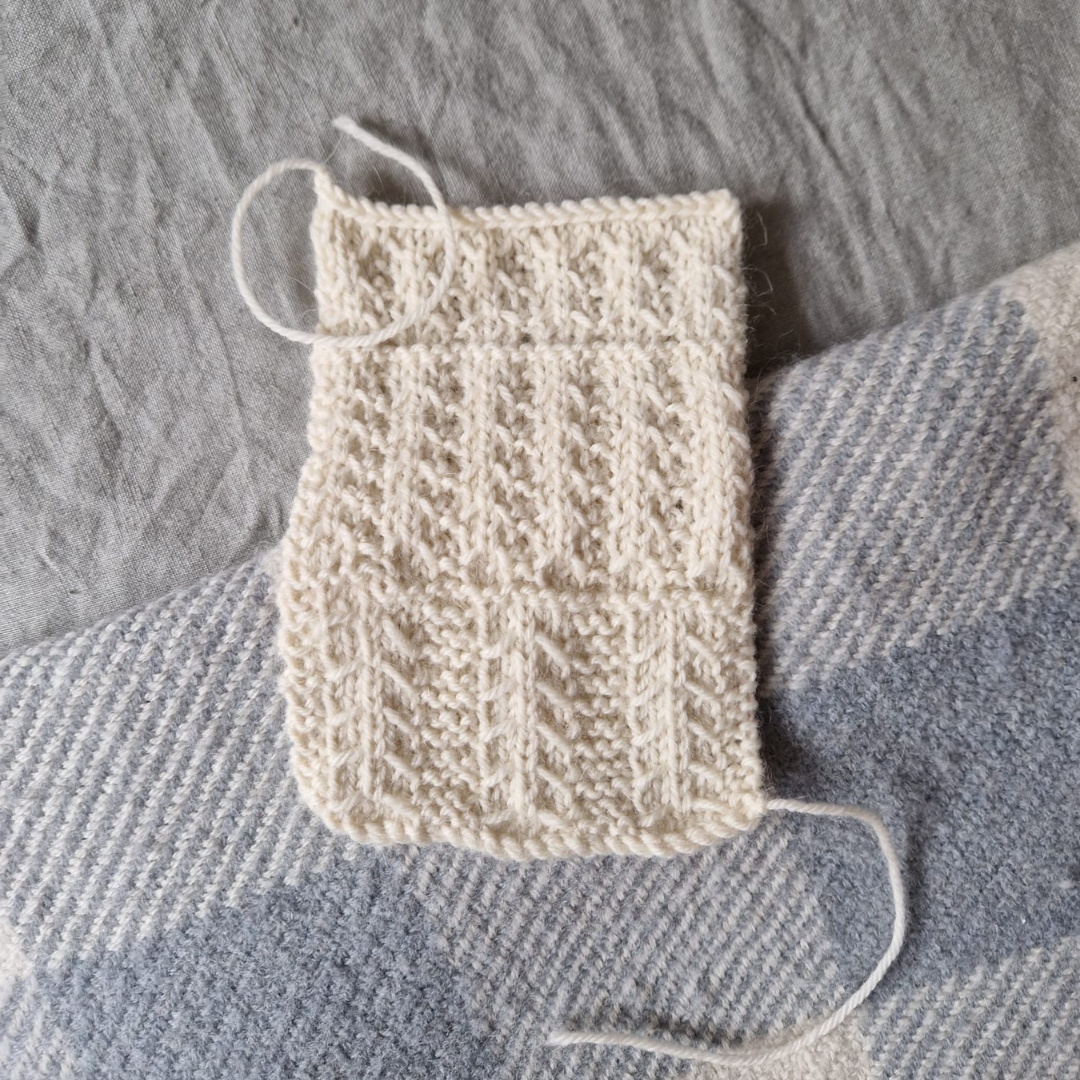
Modifying existing stitches is a practical step into the design world. It's less about coming up with something groundbreaking and more about making something that's perfectly suited to its intended use.
In this blog post, I’ll walk you through this process, showing you how to take standard stitches and adjust them to fit your vision.
Looking for something? Search the blog.
Technical Design

Grading doesn’t have to be intimidating. In this post, I walk you through how I use a simple spreadsheet to grade my knitting patterns from 28-62” chest with clear examples at every step.
Do you want to design your own knitting charts? Here are four tools for all budgets that you can use to chart your own stitch and colourwork designs.
Learn how to design a two of the most classic sweater necklines - the round neck and the V-neck. In this tutorial, I teach you about how a neckline should fit and key mistakes to avoid. Read more on my knitting pattern design blog!

In this blog post, we're getting to the heart of using stitch patterns or motifs in sweater design. This essential skill ensures your design looks attractive and works well across your entire range of sizes. Whether you’re an experienced designer or just starting out, grasping these three golden rules is essential for creating size-inclusive, beautiful sweaters.

In this beginner’s guide to pattern adjustments, I’m going to demystify the process of modifying knitting patterns so that it can become a simple, empowering tool you can use whenever a pattern is not quite right for you. You’ll learn the “why” and “how” of pattern adjustments, understand common mistakes to avoid and gain the confidence to adjust knitting patterns to make them truly yours.

How long have you spent trying to manually work out the increase or decrease rates for your knitting pattern? What if I told you that you could automate the whole process in a couple of minutes using a spreadsheet and four easy steps? As much as it sounds too good to be true, this is exactly what I am going to teach you. By the end of this blog post, you’ll have everything you need to start calculating your shaping rates easily and efficiently at the click of a mouse.

Are you a knitter who's always loved working from knitting patterns but has been too daunted to try your hand at designing one yourself? You're not alone! Knitting pattern design can seem like a complicated and mysterious process, but I'd love to show you how easy it can be. In this blog post, I will take you through the five simple steps to designing your first hat pattern using a spreadsheet, even if you have never designed a knitting pattern.

Using short rows is a convenient way to raise the back neck of a sweater when shaping top-down necklines, however, this method of shaping top-down necklines is pretty limiting in terms of the neck shapes you can create. In this blog post, I’ll teach you how to use a method that is far more flexible and can create any neckline, no matter what shape or depth.

Spreadsheets are one of the most efficient ways to calculate the numbers in your knitting pattern, as well as grade it into multiple sizes. However, they can be very intimidating if you don’t have much experience with them! In this blog post, I explain how to use four of the handiest functions that I use frequently in my pattern spreadsheets.

Short row shaping is a brilliant way of discreetly adding 3D shaping to your knitting pattern designs, but it can be a bit of a brain teaser to figure out how to actually calculate it. In this blog post, I’m going to show you a simple way of calculating your short row shaping using a spreadsheet.
Design Process
I know what it feels like to be completely overwhelmed by a big process. Designing, especially when you’re just starting out, can seem like too much to handle. But I’ve found that focusing on just one task at a time, instead of trying to plan and understand everything at once, can help you move forward without feeling stuck.
The fashion week runways are always packed with ideas that can spark something new in your knitting but what do you actually do with that inspiration? The fun part isn’t copying what you see—it’s taking those trends and making them your own. I’ll walk you through how to translate those looks into your designs, giving them your own twist.
Learn how to design your first knitting pattern with this comprehensive guide! Discover simple steps, from choosing a pattern category to swatching, and take your design from concept to publication. Perfect for beginner designers!
The knitting pattern design process can be lengthy and complex. Thankfully, there are lots of tools available that simplify the process - and many of them are free. In this blog post, I share 7 free tools you can use at every stage of the knitting pattern design process to help you move through it with more ease.
In this blog post about finding your style as a knitting pattern designer, I’ll share my experiences, insights, and tips to help you find your own signature style. Whether you’re just starting out or looking to refine your existing style, I hope this guide will inspire and encourage you to lean into what you love and create designs that truly reflect who you are.
Modifying existing stitches is a practical step into the design world. It's less about coming up with something groundbreaking and more about making something that's perfectly suited to its intended use.
In this blog post, I’ll walk you through this process, showing you how to take standard stitches and adjust them to fit your vision.
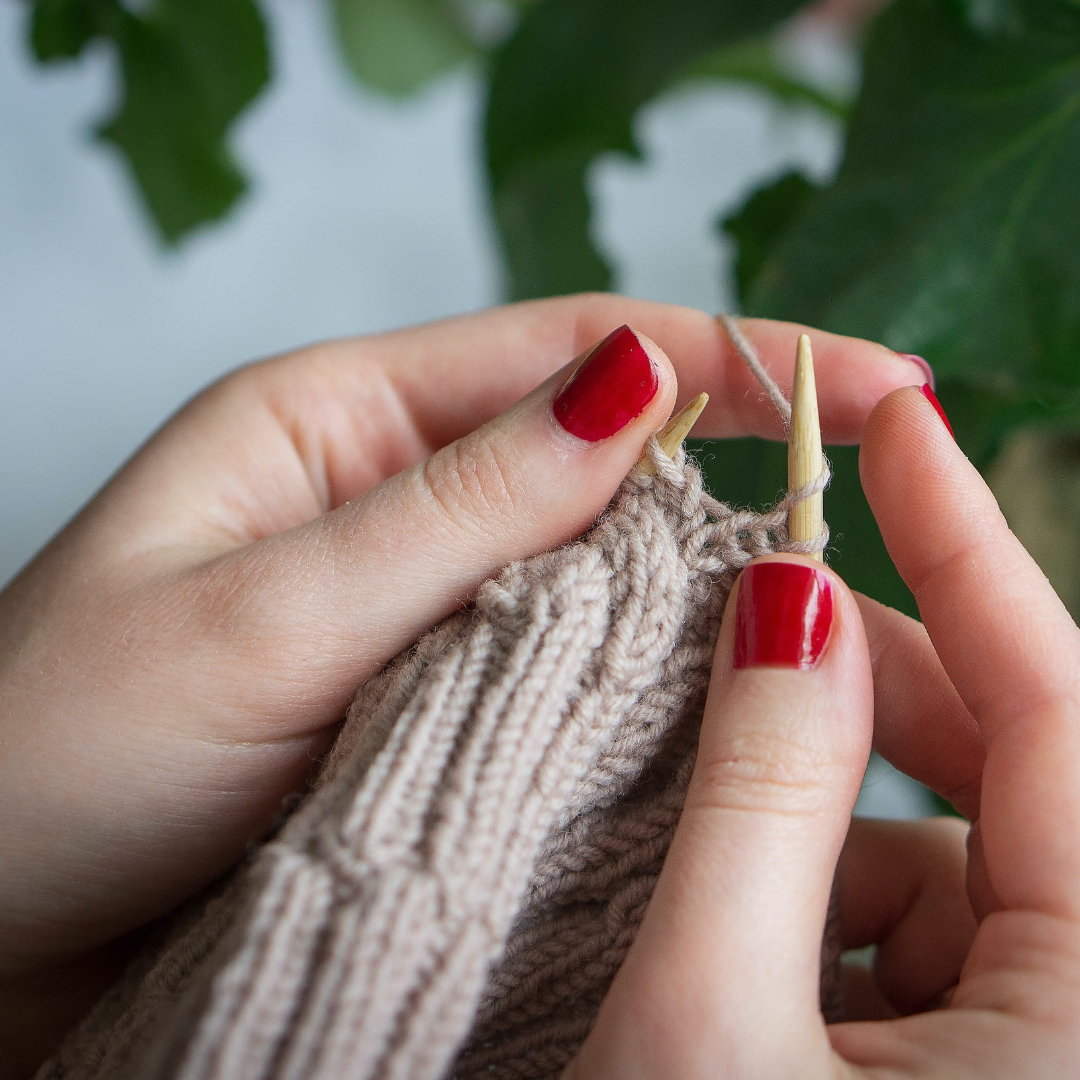
New knitting pattern designers often turn to stitch dictionaries for inspiration, a reliable source for tried-and-true stitch patterns. But there's an additional, exciting layer to our design work: creating unique designs from these foundations inspired by the world around us. In this post, I'll guide you through the process of using your knitting knowledge and a range of inspirations to develop original stitches and motifs. We'll explore how to build on the basics, find inspiration in ordinary places, and translate these into your knitting.

Have you ever wondered if you really need to create your own tutorials? As a knitting pattern designer, I've explored this question head-on, creating my own tutorials as well as linking to others'. In this post, I'll share my experiences and insights on both approaches, exploring why you might want to choose one over the other.

From embracing project management with Asana to planning and delegation, I'm sharing the plan that will lead me to becoming a more prolific pattern designer in the coming year. Join me as I share the strategies set to transform my approach to knitting pattern design and, hopefully, inspire you on your design journey, too.
In this blog post, we're getting to the heart of using stitch patterns or motifs in sweater design. This essential skill ensures your design looks attractive and works well across your entire range of sizes. Whether you’re an experienced designer or just starting out, grasping these three golden rules is essential for creating size-inclusive, beautiful sweaters.
Inspiration
The fashion week runways are always packed with ideas that can spark something new in your knitting but what do you actually do with that inspiration? The fun part isn’t copying what you see—it’s taking those trends and making them your own. I’ll walk you through how to translate those looks into your designs, giving them your own twist.

Do you dream of designing sweater patterns but hold back as you feel like it’s out of your league? Isn’t sweater design something reserved only for people with a design background? In this blog post, I’m sharing my experience of studying knitwear design at university, whether I think it’s essential to becoming a knitting pattern designer and sharing my tips for becoming a sweater designer.
How often do you dream about designing a sweater pattern but push the idea aside because it seems impossible? Sweater design isn’t as complex and overwhelming as it may seem. In this blog post, I will share how YOU can get started on your first sweater design today.

Ten years ago, I had the pleasure of studying Knitwear Design at university. Whilst the course primarily focused on commercial knitwear design for the fashion industry, there are several things I learned that have impacted who I am as a knitting pattern designer today and in this blog post, I am sharing those lessons with you.

My student, Jill Thompson Beach of Beach House Knits, designed her very first pullover pattern last year inside of Sweater Design School. In this interview, she shares the highs, lows and lessons learned along the way as she designed her beautiful Holloway sweater. There are so many fantastic insights and resources that Jill generously shares, so if you’re thinking of designing your first pullover, make sure you read this first!

Designing a sweater pattern is a wonderful milestone in any new knitting pattern designer’s career, but how do you know if you’re ready to take on the challenge? In this blog post, I share three ways that you can prepare yourself for designing your first sweater pattern. You might even be surprised to find that you’re already prepared!

Have you ever sat down to design something new, but struggled to come up with any ideas? The 15-Minute Timer Method will destroy your creative block and kickstart the knitting pattern design process, resulting in at least 15 new sweater ideas for you to explore.

Ever since I worked as a swatch designer in the commercial knitwear industry, I have believed that it is the small, special details in your sweaters that set you apart; the ones that some knitting pattern designers forget about. In this blog post, I share 7 special details you can use in your sweater designs to help set your designs apart.
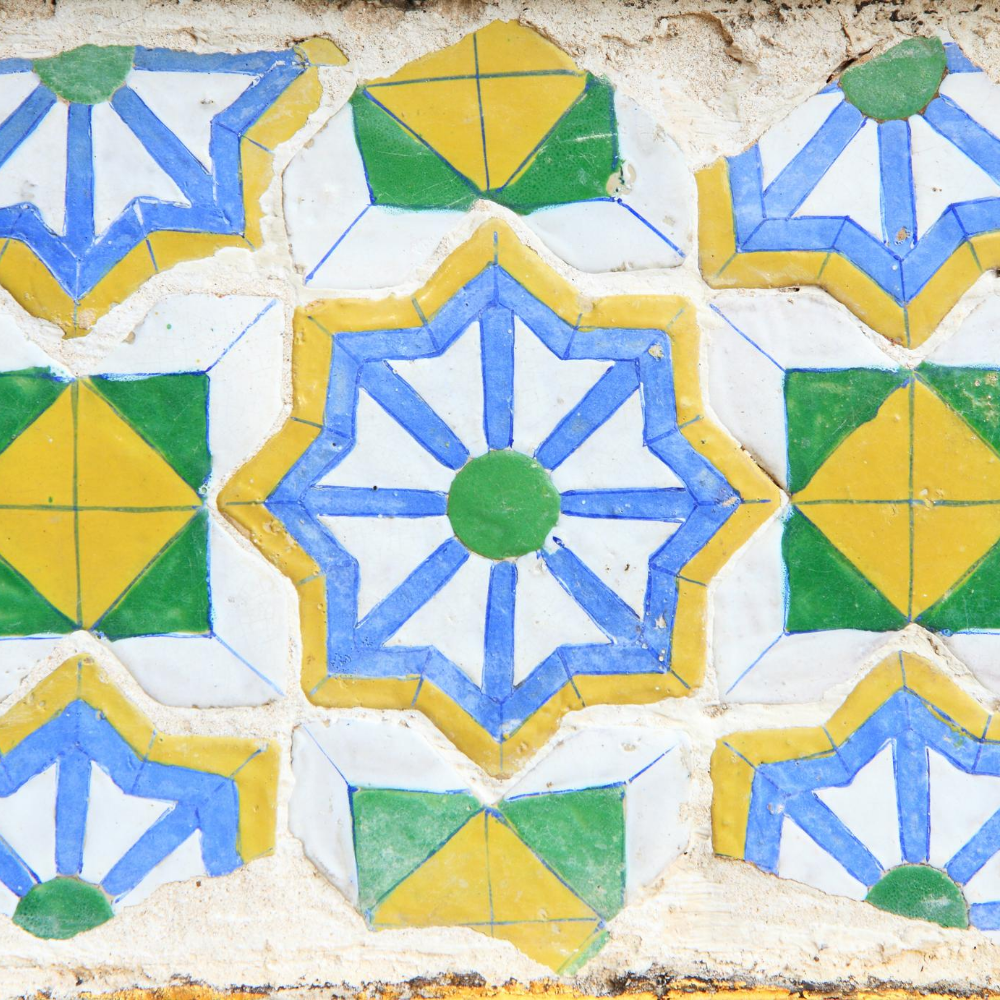
Inspiration can be elusive, especially when you’re just starting out as a knitting pattern designer. Perhaps you have one idea, but how do you come up with others?! Thankfully, if inspiration doesn’t find you, you can find it! In this blog post, I list 9 unexpected things that could potentially inspire your next knitting pattern design.

Often, at the start of a design project, a blank page can feel overwhelming. There are so many things you could design - how do you narrow it down and focus? If you’re stuck on figuring out the design direction for your next sweater knitting pattern, let me show you how to design a powerfully inspiring moodboard.
Grading doesn’t have to be intimidating. In this post, I walk you through how I use a simple spreadsheet to grade my knitting patterns from 28-62” chest with clear examples at every step.